
Introduction
Sydney is one of Australia’s most competitive business markets. Every day, new businesses are entering the market, established brands are expanding their digital presence, and customers are spending more time discovering products and services online. Therefore, having a strong social media presence is no longer simply an option for businesses that want to grow. Instead, it has become an important part of modern digital marketing.
For Sydney businesses, social media marketing can provide a powerful way to build brand awareness, connect with potential customers, showcase products and services, and generate meaningful business opportunities. Moreover, social media allows businesses to communicate directly with their target audience instead of relying only on traditional advertising.
Whether you operate a local restaurant, professional service, e-commerce store, real estate agency, beauty business, healthcare practice, construction company, technology company, or professional consultancy, social media can help you stay visible where your customers are already spending their time.
However, simply creating an Instagram or Facebook account is not enough. In fact, many businesses create social media profiles but struggle to achieve consistent engagement, reach, or enquiries. Consequently, businesses need a proper strategy that combines quality content, consistent posting, audience research, creative design, community management, advertising, and performance analysis.
This is where professional social media marketing services in Sydney can make a difference.
In this comprehensive guide, we will explore the importance of social media marketing for Sydney businesses, the major platforms businesses can use, effective content strategies, paid advertising, audience targeting, branding, lead generation, analytics, and the benefits of working with a professional social media marketing agency.
What Is Social Media Marketing?
Social media marketing is the process of using social media platforms to promote a business, build brand awareness, communicate with customers, and achieve marketing objectives.
These objectives may include:
- Increasing brand awareness
- Reaching new customers
- Generating leads
- Driving website traffic
- Promoting products
- Promoting services
- Building customer relationships
- Increasing engagement
- Improving brand recognition
- Supporting sales
- Growing an online community

Today, businesses can use multiple platforms, including:
- YouTube
- TikTok
- X
- Other relevant social platforms
However, every business does not need to be active on every platform.
Instead, businesses should identify where their target customers spend their time and then create content specifically for those platforms.
For example, a B2B company may benefit significantly from LinkedIn, whereas a fashion or beauty brand may focus more heavily on Instagram and TikTok.
Therefore, the most effective social media strategy is not about being everywhere. Rather, it is about being present in the right places with the right message.
Why Social Media Marketing Matters for Sydney Businesses
Sydney has a diverse economy and a highly competitive business environment. As a result, businesses need to find effective ways to stand out.
Social media provides exactly that opportunity.
1. It Builds Brand Awareness
First of all, social media can help people discover your brand.
A potential customer may not know your business today. However, they may discover your Instagram post, watch your video, see your Facebook advertisement, or come across your LinkedIn content.
Over time, repeated exposure can increase familiarity.
Consequently, when the customer eventually needs your product or service, your business may already be familiar to them.
2. It Helps You Reach Local Customers
For Sydney businesses, local targeting can be extremely valuable.
Instead of showing content to a completely random audience, businesses can focus their marketing efforts on relevant locations.
For example, a Sydney business can target audiences across:
- Sydney CBD
- Parramatta
- North Sydney
- Chatswood
- Bondi
- Manly
- Blacktown
- Liverpool
- Penrith
- Other relevant Sydney areas
However, the exact locations should depend on where the business actually operates.
Therefore, location-based social media marketing can help businesses reach audiences who are more likely to become customers.
3. It Creates Direct Communication
Traditional advertising is often one-way communication.
Social media, on the other hand, allows businesses and customers to interact.
Customers can:
- Comment
- Send messages
- Ask questions
- Share posts
- Tag friends
- Leave feedback
- Respond to stories
Furthermore, businesses can respond directly.
As a result, social media can create stronger relationships between brands and customers.
4. It Supports Lead Generation
Social media is not only about likes and followers.
Ultimately, businesses need results.
Therefore, social media marketing can be designed to generate:
- Website enquiries
- Phone calls
- Direct messages
- Consultation requests
- Product purchases
- Bookings
- Sign-ups
- Quote requests
For example, a professional service company can create an educational post and direct interested users toward a consultation page.
Similarly, an e-commerce business can use product-focused content to encourage customers to visit its online store.
Consequently, social media can become an important part of the customer acquisition process.
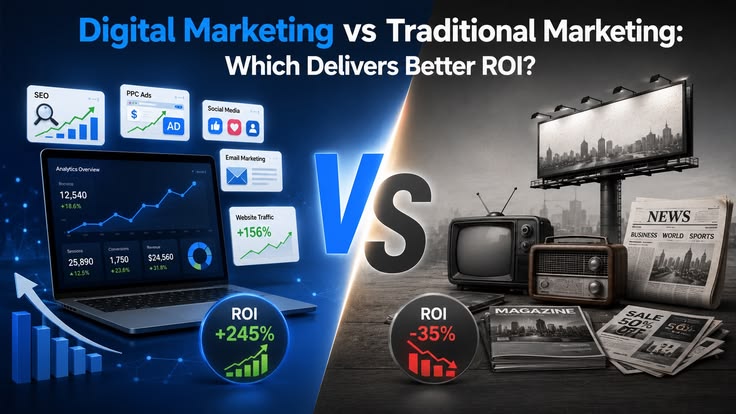
Social Media Marketing vs Traditional Marketing
Traditional marketing methods can still have value. However, social media provides several unique advantages.
Traditional advertising may include:
- Newspapers
- Magazines
- Billboards
- Radio
- Flyers
- Direct mail
Social media, meanwhile, can provide:
- Precise audience targeting
- Real-time engagement
- Detailed analytics
- Content sharing
- Two-way communication
- Flexible budgets
- Visual storytelling
Therefore, businesses can use social media to create more interactive marketing experiences.
Moreover, businesses can test different messages and creative formats much more easily.
Major Social Media Platforms for Sydney Businesses
Different platforms serve different purposes.
Therefore, selecting the right platform is an important part of your social media strategy.
Instagram Marketing
Instagram is highly visual and can be particularly useful for businesses that can communicate their value through images and videos.
Businesses can use:
- Reels
- Stories
- Carousels
- Images
- Guides
- Live videos
For example, restaurants can showcase dishes, real estate agencies can showcase properties, and service businesses can demonstrate their work.
Furthermore, Reels can help businesses reach audiences beyond their existing followers.
Facebook Marketing
Facebook remains useful for businesses that want to build communities, share content, communicate with customers, and run targeted advertising campaigns.
Businesses can publish:
- Images
- Videos
- Articles
- Offers
- Announcements
- Customer stories
- Educational posts
Additionally, Facebook can be useful for local businesses because customers can discover business information, reviews, updates, and contact options.
LinkedIn Marketing
LinkedIn is particularly valuable for B2B businesses and professionals.
For example, businesses in:
- Consulting
- Technology
- Finance
- Professional services
- Recruitment
- Digital marketing
- Software
- Business services
can use LinkedIn to build authority and connect with decision-makers.
Instead of focusing only on promotional content, businesses can share:
- Industry insights
- Company updates
- Expert opinions
- Case studies
- Educational content
- Employee achievements
Consequently, LinkedIn can support professional brand building.
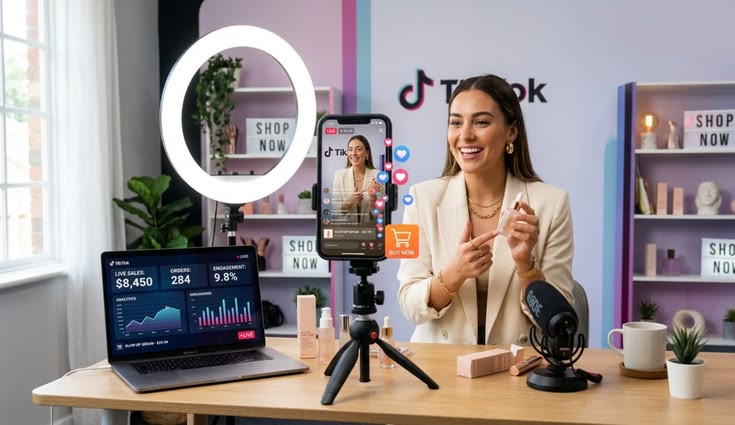
TikTok Marketing
TikTok focuses heavily on short-form video content.
Therefore, businesses that can create entertaining, educational, or visually interesting videos may find the platform valuable.
For example:
- Restaurants can create food videos.
- Fitness businesses can share quick tips.
- Beauty brands can create tutorials.
- Agencies can explain marketing concepts.
- Retail brands can showcase products.
However, businesses should choose TikTok only when the platform matches their audience and content capabilities.
YouTube Marketing
YouTube is particularly useful for long-form and educational video content.
Businesses can create:
- Tutorials
- Product demonstrations
- Interviews
- Customer stories
- Educational videos
- Industry explanations
- Behind-the-scenes content
Furthermore, YouTube content can continue attracting viewers over time.
Therefore, it can complement other social media channels.
Choosing the Right Social Media Platform
One of the biggest mistakes businesses make is trying to maintain every platform simultaneously.
As a result, content quality can decline.
Instead, ask:
- Who is my target customer?
- Where do they spend time online?
- What type of content do they consume?
- What platform matches my business?
- What type of content can I consistently create?
For example, a B2B company may prioritise LinkedIn and Facebook.
Meanwhile, a fashion brand may focus on Instagram and TikTok.
Therefore, platform selection should be strategic.
Building a Social Media Marketing Strategy
A successful social media presence starts with a clear strategy.
Without a strategy, businesses often post randomly.
One day they may post a product image. The next day they may post a quote. After that, they may disappear for two weeks.
Consequently, their audience may struggle to understand what the brand represents.
A proper strategy should define:
- Goals
- Target audience
- Platforms
- Content pillars
- Posting frequency
- Brand voice
- Visual style
- Campaign objectives
- Advertising budget
- Performance metrics
Therefore, strategy should come before posting.
Define Your Social Media Goals
Before creating content, decide what you want social media to achieve.
Possible goals include:
Brand Awareness
You want more people to discover your business.
Engagement
You want customers to interact with your content.
Website Traffic
You want users to visit your website.
Lead Generation
You want potential customers to contact your business.
Sales
You want social media to contribute directly to revenue.
Community Building
You want to create a loyal audience around your brand.
Consequently, your goals determine the type of content you should create.
Identify Your Target Audience
Understanding your audience is one of the most important steps.
For a Sydney business, consider:
- Age
- Location
- Profession
- Interests
- Problems
- Buying behaviour
- Income level
- Business type
- Online behaviour
For example, a digital marketing agency targeting Sydney businesses may focus on:
- Business owners
- Startup founders
- Marketing managers
- Local service providers
- E-commerce businesses
Therefore, the content should address the problems these audiences actually experience.
Create Customer Personas
A customer persona is a simplified representation of your ideal customer.
For example:
Persona: Sydney Small Business Owner
Location: Sydney
Challenge: Struggling to generate consistent online leads
Goal: Increase enquiries and revenue
Platforms: Instagram, Facebook, LinkedIn
Content interests: Marketing tips, business growth, SEO, advertising
Once you understand your ideal customer, content creation becomes easier.
Instead of asking, “What should I post today?” you can ask:
“What would my ideal customer find useful today?”
That simple change can significantly improve your content strategy.
Develop Content Pillars
Content pillars are the main categories of content your business consistently publishes.
For example, a digital marketing agency could use:
Educational Content
Marketing tips, SEO information, social media advice, and website guidance.
Promotional Content
Services, offers, packages, and consultations.
Social Proof
Testimonials, reviews, results, and case studies.
Behind the Scenes
Team activities, processes, and company culture.
Industry Content
Trends, news, statistics, and expert opinions.
Therefore, content pillars prevent your social media feed from becoming repetitive.
The Importance of High-Quality Content
Content is the foundation of social media marketing.
However, simply posting frequently is not enough.
Content should be:
- Relevant
- Useful
- Visually appealing
- Easy to understand
- Consistent
- Original
- Brand-focused
Furthermore, content should provide a reason for people to stop scrolling.
For example, instead of a generic post saying:
“SEO is important.”
you could create:
“3 reasons Sydney businesses struggle to appear on Google.”
The second idea creates curiosity and provides a clear benefit.
Short-Form Video Marketing
Short-form video has become an important content format across social media.
Businesses can use short videos to:
- Educate
- Entertain
- Demonstrate
- Explain
- Showcase
- Tell stories
For example, a Sydney digital marketing agency can create a 30-second video explaining:
“3 mistakes that can hurt your social media growth.”
Then, the video can encourage viewers to follow the page or visit the website.
Consequently, short-form videos can support both awareness and engagement.

Instagram Reels for Sydney Businesses
Reels can be particularly useful for reaching new audiences.
Businesses can create Reels around:
- Quick tips
- FAQs
- Before-and-after content
- Tutorials
- Trends
- Product demonstrations
- Behind-the-scenes videos
- Client results
However, businesses should not blindly follow every trend.
Instead, trends should be adapted to the brand.
Therefore, creativity and relevance should work together.
Social Media Stories
tories provide a more casual and frequent way to communicate.
Businesses can use Stories for:
- Polls
- Questions
- Announcements
- Offers
- Behind-the-scenes content
- Customer feedback
- New products
- Quick tips
Furthermore, Stories can make a brand feel more human.
Instead of presenting only polished promotional content, businesses can show the people and processes behind the brand.
Carousel Content
Carousel posts allow businesses to share multiple pieces of information within one post.
For example:
5 Social Media Mistakes Sydney Businesses Should Avoid
Slide 1: The headline
Slide 2: Mistake #1
Slide 3: Mistake #2
Slide 4: Mistake #3
Slide 5: Mistake #4
Slide 6: Mistake #5
Slide 7: CTA
Therefore, carousels can be excellent for educational content.
Social Media Branding
Your social media profiles should look and feel consistent.
Brand consistency can include:
- Logo
- Colours
- Fonts
- Image style
- Tone of voice
- Graphic style
- Caption style
Consequently, users can recognise your content more easily.
For example, if someone sees one of your posts without looking at the username, they should ideally still be able to associate the visual style with your brand.
Building a Strong Brand Voice
Your brand voice determines how your business communicates.
It may be:
- Professional
- Friendly
- Educational
- Premium
- Conversational
- Bold
- Creative
However, consistency is key.
If your LinkedIn page sounds extremely formal but your Instagram content sounds completely unrelated, customers may experience inconsistent branding.
Therefore, define your brand personality and use it consistently.
Social Media Engagement
Social media is called “social” for a reason.
Therefore, businesses should not simply publish posts and disappear.
Instead, they should:
- Respond to comments
- Answer messages
- Reply to questions
- Engage with relevant audiences
- Acknowledge customer feedback
Furthermore, genuine engagement can strengthen customer relationships.
A simple response can sometimes turn a casual follower into a potential customer.
Social Media Marketing for Local Sydney Businesses
Local businesses can use social media to strengthen their connection with nearby customers.
For example, a Sydney café can share:
- New menu items
- Customer photos
- Local events
- Special offers
- Behind-the-scenes videos
Similarly, a Sydney service provider can share:
- Completed projects
- Customer testimonials
- Service explanations
- Local business stories
Consequently, social media can help local businesses become more recognisable within their communities.
Social Media Marketing for B2B Businesses
B2B companies sometimes assume that social media is only useful for consumer brands.
However, that is not true.
B2B businesses can use social media to:
- Build authority
- Educate prospects
- Share expertise
- Generate leads
- Recruit employees
- Build partnerships
- Strengthen brand reputation
LinkedIn can be particularly useful, although Facebook and other platforms may also contribute depending on the target audience.
Therefore, B2B businesses should focus on professional value rather than purely promotional posts.

Social Media Marketing for E-Commerce Businesses
For e-commerce businesses, social media can become an important sales channel.
Businesses can showcase:
- Products
- Demonstrations
- Customer reviews
- User-generated content
- New arrivals
- Offers
- Product comparisons
Furthermore, visual platforms can make products easier to discover.
However, successful e-commerce social media should not consist entirely of sales posts.
Instead, businesses should balance promotional content with useful and entertaining content.
Social Media Marketing for Professional Services
Professional service businesses can use social media to demonstrate expertise.
Examples include:
- Accountants
- Lawyers
- Consultants
- Marketing agencies
- Financial professionals
- Business coaches
- IT companies
Instead of saying only:
“We provide professional services.”
they can explain:
- Common customer problems
- Industry insights
- Frequently asked questions
- Useful tips
- Case studies
- Mistakes to avoid
As a result, potential customers can understand the company’s expertise before making contact.
Paid Social Media Advertising
Organic content is important. However, businesses can also use paid advertising to reach specific audiences.
Platforms such as Facebook and Instagram offer advertising opportunities that can help businesses promote:
- Products
- Services
- Offers
- Events
- Lead forms
- Website pages
Furthermore, businesses can define campaign objectives and audiences according to their marketing goals.
For example, a business may run one campaign for awareness and another for lead generation.
Therefore, paid social media can complement organic marketing.
Why Social Media Ads Can Help Sydney Businesses
Sydney businesses operate in a competitive environment.
Consequently, relying only on organic reach may limit how quickly a business can reach new audiences.
Paid advertising can provide additional reach.
For example, a Sydney business could create a campaign specifically for people within its service area.
Furthermore, businesses can test:
- Different creatives
- Headlines
- Videos
- Audiences
- Offers
- CTAs
As a result, businesses can learn which combinations produce stronger results.
Lead Generation Through Social Media
Generating leads should be a major objective for many service businesses.
A lead may come through:
- Website forms
- Messenger
- Instagram DMs
- Lead forms
- Phone calls
- Consultation bookings

For example, a digital marketing agency can publish an educational post explaining common marketing problems and then invite interested business owners to request a consultation.
Therefore, content and conversion strategy should work together.
Social Media Funnels
A social media funnel describes the journey from discovering a brand to becoming a customer.
A simple funnel may look like:
Awareness → Interest → Consideration → Conversion → Retention
Awareness
The user discovers your content.
Interest
They begin following your business.
Consideration
They visit your website and explore your services.
Conversion
They contact you or purchase.
Retention
They continue engaging with your brand.
Therefore, not every post needs to generate an immediate sale.
Some content exists to build awareness and trust first.
The Importance of Social Proof
Customers often want evidence before purchasing.
Social proof can include:
- Reviews
- Testimonials
- Case studies
- Client results
- User-generated content
- Project examples
For example, instead of simply saying:
“We provide excellent marketing services.”
you can demonstrate actual client experiences.
Consequently, social proof can make your brand more credible.
User-Generated Content
User-generated content is content created by customers rather than the business itself.
Examples include:
- Customer photos
- Product reviews
- Video testimonials
- Social mentions
- Customer stories
This content can be powerful because it feels more authentic.
Therefore, businesses can encourage customers to share their experiences when appropriate.
Influencer Marketing
Influencer marketing can also support social media campaigns.
However, choosing an influencer based solely on follower count is not enough.
Instead, consider:
- Audience relevance
- Engagement
- Location
- Content quality
- Brand alignment
- Credibility
For a Sydney business, a local creator with a smaller but highly relevant audience may be more valuable than a large creator with little connection to the target market.
Therefore, relevance should come before vanity metrics.
Social Media Content Calendar
Consistency becomes much easier when content is planned in advance.
A social media calendar can include:
- Date
- Platform
- Content topic
- Format
- Caption
- Visual
- CTA
- Hashtags
- Campaign
For example:
Monday: Educational carousel
Tuesday: Reel
Wednesday: Customer testimonial
Thursday: Industry tip
Friday: Promotional post
Saturday: Behind-the-scenes content
Sunday: Community-focused content
The exact schedule can vary.
Nevertheless, planning reduces last-minute posting and improves consistency.
How Often Should Sydney Businesses Post?
There is no universal number that works for every business.
Instead, focus on consistency and quality.
Posting five poor-quality posts every week is unlikely to be better than posting three valuable pieces of content consistently.
Therefore, businesses should create a schedule that they can realistically maintain.
Hashtags and Social Media Keywords
Hashtags can help organise content and potentially improve discovery, depending on the platform.
Sydney businesses may consider relevant terms such as:
- #SydneyBusiness
- #SydneyMarketing
- #SydneySmallBusiness
- #SocialMediaMarketing
- #DigitalMarketingSydney
- #SydneyEntrepreneurs
However, hashtags should remain relevant.
Using dozens of unrelated hashtags can make content look spammy.
Therefore, focus on relevance rather than quantity.
Social Media Analytics
Data helps businesses understand what is working.
Important metrics can include:
- Reach
- Impressions
- Engagement
- Video views
- Follower growth
- Website clicks
- Leads
- Messages
- Conversions
However, not every metric has the same business value.
For example, receiving thousands of likes is not necessarily useful if none of those users become potential customers.
Therefore, businesses should connect social media metrics to actual objectives.
Engagement Rate
Engagement rate helps indicate how actively audiences interact with content.
Engagement can include:
- Likes
- Comments
- Shares
- Saves
- Clicks
A post with a smaller reach but strong engagement may provide valuable insights.
Consequently, businesses should analyse patterns instead of focusing only on follower numbers.
Why Followers Are Not Everything
Having thousands of followers may look impressive.
However, followers do not automatically equal customers.
Imagine two businesses.
Business A has 20,000 followers but very little engagement.
Business B has 3,000 followers, but those followers are highly relevant and regularly enquire about its services.
Business B may generate significantly more revenue.
Therefore, quality of audience matters more than follower count alone.
Social Media and Website Marketing
Social media and websites should work together.
Your social media profile can introduce users to your brand.
Then, your website can provide detailed information.
For example:
Instagram Post → Website Service Page → Contact Form
Similarly:
LinkedIn Article → Blog → Consultation Page
Therefore, social media should not operate separately from the rest of your digital marketing strategy.
Social Media and SEO
Social media and SEO serve different purposes, but they can complement one another.
For example, social media can help distribute blog content.
A business may publish a blog article and then promote it through:
- Stories
Consequently, social media can help more people discover your content.
Meanwhile, SEO can help your website attract organic search traffic.
Together, these channels can create a broader digital presence.
Social Media Marketing for Sydney Startups
Startups often have limited budgets.
Therefore, they need to focus their marketing efforts carefully.
A startup can begin with:
- Clear branding
- Defined target audience
- Two or three relevant platforms
- Consistent content
- Strong website
- Basic paid advertising
- Analytics
- Customer engagement
Rather than trying to compete with established companies everywhere, startups can focus on a specific niche.
Consequently, a focused strategy can make limited resources work harder.
Social Media Marketing for Small Businesses
Small businesses can benefit from social media because it provides opportunities to build personal connections.
For example, a local business can showcase the people behind the company.
Customers may appreciate:
- Founder stories
- Team introductions
- Local involvement
- Customer experiences
- Behind-the-scenes content
Therefore, social media can make smaller brands feel more approachable.
Common Social Media Marketing Mistakes
Many businesses make similar mistakes.
Posting Without a Strategy
Random posting often produces inconsistent results.
Focusing Only on Selling
If every post says “Buy Now,” audiences may lose interest.
Ignoring Comments
Customers expect businesses to communicate.
Using Poor-Quality Visuals
Low-quality graphics can damage brand perception.
Posting Inconsistently
Long gaps can reduce momentum.
Copying Competitors
Your brand should have its own identity.
Chasing Followers
Follower count does not automatically equal revenue.
Ignoring Analytics
Without data, it is difficult to understand performance.
Therefore, avoiding these mistakes can significantly improve your social media presence.
Creating a Balanced Content Strategy
A balanced strategy should include multiple content types.
For example:
40% Educational
Teach something useful.
20% Engagement
Ask questions and encourage interaction.
20% Social Proof
Show reviews, testimonials, and results.
20% Promotional
Promote your services or products.
The exact percentages can vary.
Nevertheless, the main principle is simple: provide value before constantly asking people to buy.
Storytelling in Social Media Marketing
People connect with stories.
Therefore, businesses can use storytelling to make content more memorable.
For example, instead of simply saying:
“We have been providing digital marketing services.”
tell the story of:
- Why the business started
- Problems customers were facing
- How the company solved them
- Lessons learned
- What the team believes in
Consequently, storytelling can make a brand feel more human.
Behind-the-Scenes Content
Behind-the-scenes content can increase transparency.
Businesses can show:
- Team meetings
- Content creation
- Product development
- Office activities
- Project preparation
- Daily operations
Furthermore, this content does not always need to be highly polished.
In fact, authentic content can sometimes perform better because it feels more personal.
Social Media Competitor Research
Competitor research can provide useful insights.
Look at:
- Posting frequency
- Content formats
- Engagement
- Topics
- Visual style
- Offers
- Audience interaction
However, the purpose is not to copy.
Instead, identify gaps.
For example, if competitors rarely answer customer questions, you can create educational content that addresses those questions.
Therefore, competitor research can help you differentiate your brand.
Creating a Unique Social Media Position
Your business should give people a reason to follow you.
Ask:
Why should someone follow this account instead of another?
Perhaps you provide:
- Better educational content
- Unique insights
- Local expertise
- Entertaining videos
- Helpful resources
- Strong community interaction
- Industry expertise
Consequently, your social media presence becomes more than an advertisement.
Social Media Marketing and Customer Retention
Social media is useful not only for acquiring customers but also for retaining them.
Existing customers can:
- Follow updates
- Discover new products
- Learn about services
- Receive support
- Participate in communities
Therefore, social media can help maintain relationships after a purchase.
Social Media Crisis Management
Businesses should also be prepared for negative feedback.
If a customer complains publicly, responding emotionally can make the situation worse.
Instead:
- Remain calm.
- Acknowledge the concern.
- Respond professionally.
- Offer to discuss the issue privately.
- Focus on resolving the problem.
Consequently, professional communication can protect your reputation.
Why Professional Social Media Marketing Services Can Help
Managing social media effectively requires time and expertise.
Businesses need to handle:
- Strategy
- Content planning
- Graphic design
- Copywriting
- Video creation
- Scheduling
- Engagement
- Advertising
- Analytics
- Reporting
Therefore, managing everything internally can become difficult, especially for small business owners.
A professional social media marketing agency can manage these activities through a structured strategy.
What a Social Media Marketing Agency Can Do
A professional agency may provide services such as:
Social Media Strategy
Developing a customised marketing plan.
Content Creation
Creating posts, graphics, carousels, and videos.
Social Media Management
Scheduling and publishing content.
Community Management
Responding to comments and messages.
Paid Advertising
Creating and managing social media ad campaigns.
Performance Reporting
Analysing results and identifying opportunities.
Consequently, businesses can focus on running their operations while their digital presence is managed professionally.
Why Choose a Sydney-Focused Social Media Strategy?
A Sydney-focused strategy allows businesses to create content relevant to their local audience.
For example, content can consider:
- Sydney customers
- Local trends
- Sydney industries
- Local events
- Local business challenges
- Relevant service areas
Therefore, businesses can make their marketing more geographically relevant.
Social Media Marketing for Different Sydney Industries
Social media can be adapted to almost any industry.
Restaurants
Use food photography, Reels, customer content, menu updates, and promotions.
Real Estate
Showcase properties, market insights, suburb information, and property videos.
Healthcare
Share educational information, FAQs, and service explanations.
Professional Services
Publish industry insights, guides, and expert content.
E-Commerce
Showcase products, reviews, tutorials, and offers.
Construction
Share completed projects, progress videos, and before-and-after content.
Fitness
Publish workouts, client stories, educational tips, and motivational content.
Digital Agencies
Share marketing insights, case studies, industry trends, and educational content.
Therefore, social media marketing can be customised according to the business model.
Measuring Return on Investment
Businesses ultimately want to understand whether their marketing investment is producing value.
ROI can be evaluated through:
- Leads
- Sales
- Enquiries
- Website traffic
- Customer acquisition
- Revenue
For example, if a social media campaign generates 50 qualified enquiries and several new customers, that provides more meaningful evidence than simply measuring likes.
Therefore, social media reporting should connect marketing activity with business outcomes.

Social Media Marketing Trends for Sydney Businesses
Social media continues to evolve.
Consequently, businesses should remain flexible.
Important areas to watch include:
- Short-form video
- Social commerce
- Personalised content
- Community building
- Creator partnerships
- User-generated content
- AI-assisted content creation
- Interactive content
However, businesses should not follow every trend blindly.
Instead, ask whether the trend is relevant to your audience and business objectives.
AI and Social Media Marketing
Artificial intelligence can assist marketers with tasks such as:
- Brainstorming ideas
- Content planning
- Caption drafts
- Research
- Data analysis
- Workflow automation
Nevertheless, human creativity and brand understanding remain important.
AI-generated content should be reviewed carefully to ensure it is accurate, original, relevant, and aligned with the brand.
Therefore, technology should support strategy rather than replace it completely.
Building a Long-Term Social Media Strategy
Social media success rarely happens overnight.
Instead, businesses usually need:
- Consistency
- Testing
- Learning
- Creativity
- Audience understanding
- Continuous improvement
For example, a business may discover that educational Reels perform better than static promotional posts.
Consequently, the business can create more video content.
Similarly, if certain topics generate more enquiries, those topics can receive greater attention.
Therefore, social media marketing should be treated as an ongoing process.
A Practical Social Media Marketing Plan for Sydney Businesses
Here is a simple framework businesses can follow.
Step 1: Define Your Goals
Decide whether you want awareness, engagement, leads, sales, or community growth.
Step 2: Understand Your Audience
Research your ideal Sydney customers.
Step 3: Choose Platforms
Focus on the platforms that match your audience.
Step 4: Develop Content Pillars
Create several consistent content categories.
Step 5: Create a Calendar
Plan content in advance.
Step 6: Publish Consistently
Maintain a realistic schedule.
Step 7: Engage
Respond to customers and participate in conversations.
Step 8: Test Paid Advertising
Use targeted campaigns where appropriate.
Step 9: Measure Results
Track meaningful metrics.
Step 10: Improve
Use performance data to refine your strategy.
As a result, your social media activity becomes systematic rather than random.
Why Sydney Businesses Should Invest in Social Media Marketing
There are many reasons to consider professional social media marketing.
It can help businesses:
- Increase visibility
- Build brand recognition
- Reach local customers
- Generate leads
- Promote products
- Strengthen customer relationships
- Build credibility
- Drive website traffic
- Support sales
Furthermore, social media gives businesses an opportunity to show the personality behind their brand.
Instead of being just another name on Google, your business can become a recognisable brand that customers remember.
Frequently Asked Questions
What is social media marketing?
Social media marketing is the use of social platforms to promote a business, communicate with customers, build awareness, generate leads, and support business growth.
Why is social media marketing important for Sydney businesses?
Sydney has a competitive business environment. Therefore, social media can help businesses increase visibility, connect with local audiences, and build stronger customer relationships.
Which social media platform is best for Sydney businesses?
There is no single platform that is best for every business. Instagram, Facebook, LinkedIn, TikTok, and YouTube can all be useful depending on the target audience and business type.
How often should a business post on social media?
The ideal frequency depends on the business, audience, platform, and available resources. Consistency and content quality are generally more important than simply posting as often as possible.
Can social media generate leads?
Yes. Businesses can use social media content, advertisements, landing pages, direct messages, and lead forms to generate potential customer enquiries.
Is social media marketing suitable for small businesses?
Yes. In fact, social media can provide small businesses with an affordable way to build awareness, communicate with customers, and promote their services.
Do Sydney businesses need a social media marketing agency?
Not necessarily, but professional support can be useful when businesses do not have enough time, expertise, or resources to manage strategy, content, advertising, and analytics internally.
Can social media help build a brand?
Absolutely. Consistent visual identity, messaging, storytelling, content, and engagement can help customers recognise and remember a business.
Is paid social media advertising necessary?
Not always. Organic content can build a strong presence, while paid advertising can provide additional reach and targeted opportunities. Many businesses can benefit from using both.
How long does social media marketing take to produce results?
Results vary depending on the business, audience, strategy, content quality, platform, competition, and advertising budget. Therefore, social media should generally be approached as a long-term marketing activity rather than an overnight solution.
Conclusion
Social media marketing has become an important part of modern business growth. For Sydney businesses in particular, it provides an opportunity to reach local customers, build brand recognition, demonstrate expertise, generate leads, and develop stronger relationships with audiences.
However, successful social media marketing requires more than simply publishing posts.
Businesses need a clear strategy, a defined target audience, consistent branding, valuable content, engaging formats, community interaction, appropriate advertising, and regular performance analysis.
Furthermore, every platform has its own strengths. Therefore, businesses should choose channels based on their customers rather than trying to be active everywhere.
Whether you are a small local business, growing startup, professional service provider, e-commerce company, or established Sydney brand, social media can become an important part of your digital marketing strategy.
Most importantly, social media should be connected to your broader marketing objectives.
A post should not exist simply to receive likes. Instead, it should contribute to a larger goal such as awareness, engagement, website traffic, lead generation, or customer retention.
Consequently, businesses that combine creativity with strategy can build a much stronger social media presence.
If your Sydney business is ready to improve its online presence, attract a more relevant audience, and build a stronger digital brand, professional social media marketing services in Sydney can help you create a structured and results-focused strategy.
With the right approach, your social media channels can become more than just profiles. They can become powerful tools for brand growth, customer engagement, lead generation, and long-term business success.
Final Social Media Marketing Checklist for Sydney Businesses
Before launching or improving your social media strategy, make sure you have:
- A clearly defined target audience
- Specific marketing goals
- Professional social media profiles
- Consistent branding
- Relevant platform selection
- Defined content pillars
- A content calendar
- High-quality visuals
- Short-form video content
- Educational content
- Promotional content
- Customer testimonials
- Social proof
- Regular engagement
- A clear CTA
- Website integration
- Paid advertising strategy where appropriate
- Performance tracking
- Regular reporting
- Ongoing optimisation
Finally, remember that social media success is built through consistency, relevance, creativity, strategy, and genuine customer connection.
Start with a clear plan, understand your Sydney audience, create valuable content, measure your results, and continue improving your strategy over time.